06 · HEALTHCARE

Healthcare

Clinical training simulators for cancer screening, neonatal emergency care, and primary health center operations — building readiness for life-saving interventions.

DOMAIN
NOTE

All healthcare simulators are VR-based, providing immersive clinical environments that replicate real hospital and clinic layouts. Developed in collaboration with medical professionals, hospital administrators, and public health organizations. AI analytics tracks procedural accuracy, decision speed, and clinical judgment quality.

RKTS Cancer Screening Simulator

RKTS Cancer Screening Simulator

VR

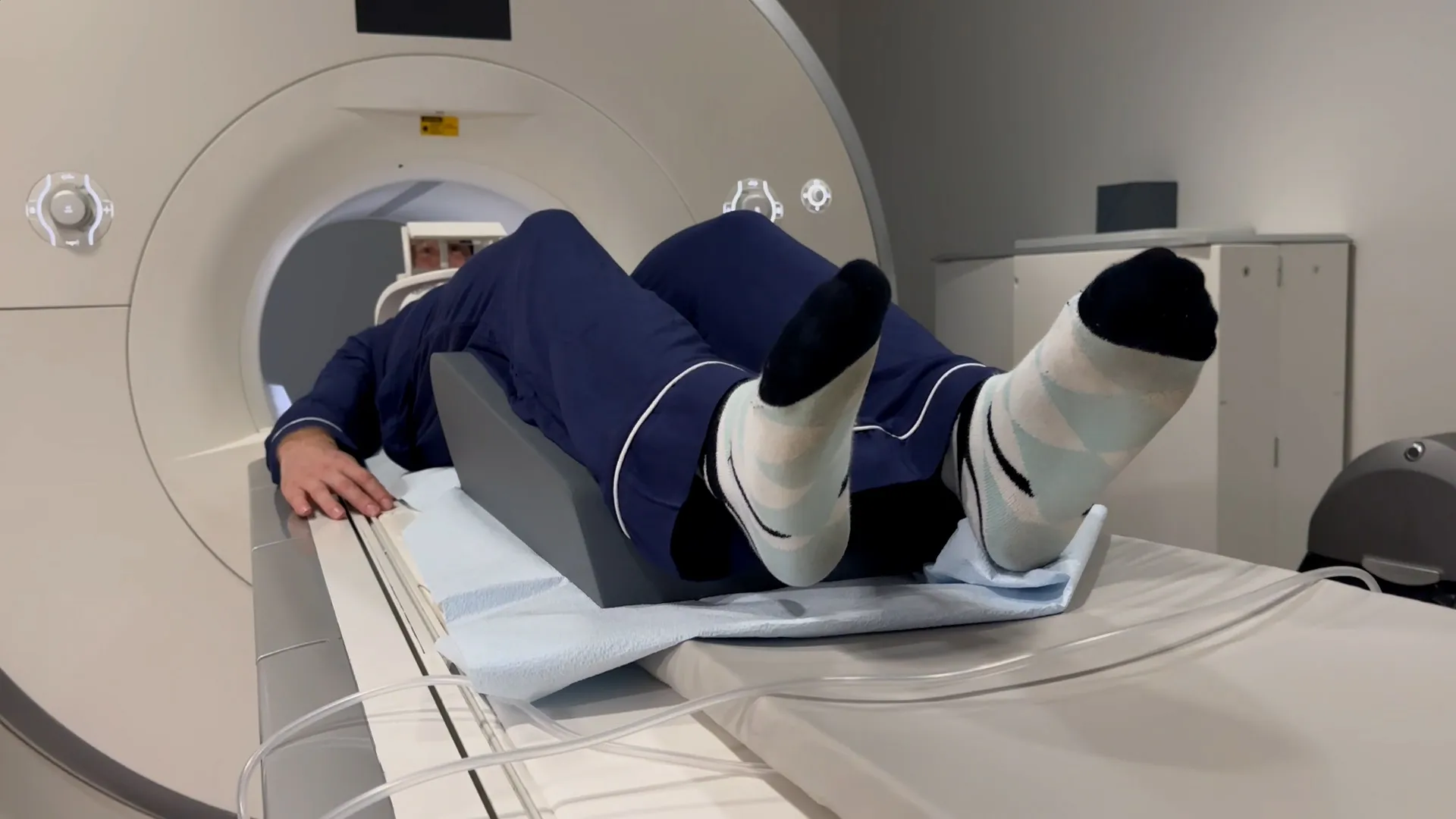
VR-based cancer screening training covering multiple screening types — breast, cervical, oral, and colorectal. Trains healthcare workers in proper screening techniques, patient positioning, sample collection, and result interpretation.

  • Breast examination and mammography positioning
  • Cervical screening: VIA, Pap smear procedures
  • Oral cavity screening techniques and referral criteria
  • Patient communication and consent protocols
  • Abnormality identification and grading
  • Referral pathway decision training
  • National screening guideline compliance
RKTS Navjaat Shishu Suraksha (NSSK)

RKTS Navjaat Shishu Suraksha (NSSK)

VR

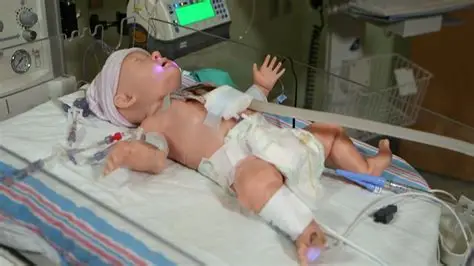
VR simulator for training all health workers and doctors involved in delivery and newborn care. Covers the complete NSSK protocol — essential newborn care, resuscitation steps, thermal management, and referral decisions.

  • Essential newborn care sequence training
  • Bag-and-mask resuscitation step-by-step
  • Thermal management and kangaroo mother care
  • Initial assessment: APGAR scoring
  • Cord clamping and cutting procedures
  • Referral decision-making under time pressure
  • Team coordination in delivery room emergencies
RKTS Primary Health Center (PHC)

RKTS Primary Health Center (PHC)

VR

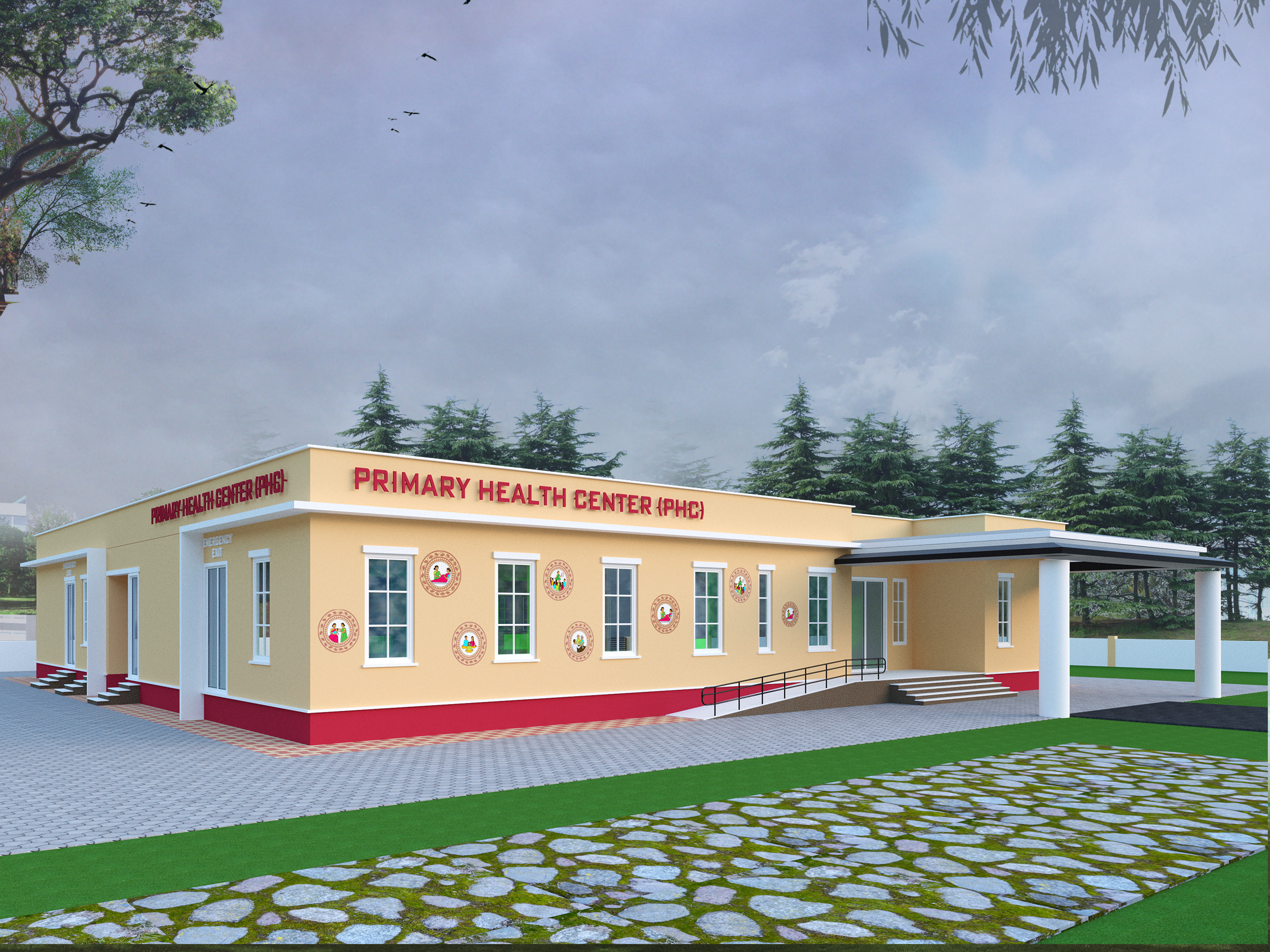
VR simulation of a primary health center covering triage, outpatient care, basic emergencies, routine diagnostics, immunization, and administrative workflows.

  • Patient triage and priority assessment
  • Outpatient consultation workflows
  • Basic emergency stabilization
  • Immunization schedule and cold chain management
  • Routine diagnostic procedures
  • Drug dispensing and inventory management
  • Record keeping and reporting documentation