Case studies · Real-world deployments

Twelve stories of operations brought online.

The simulation, digital-twin, and IoT industry has been transforming industrial operations for over a decade — across ports, mines, factories, and training centres. Here are real-world deployment outcomes from across the field, the kinds of problems RealKore Systems is built to solve.

Ports
India · Container terminal

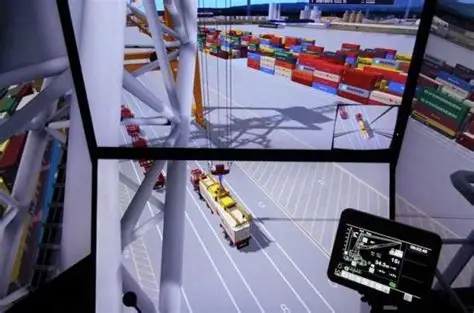
Quay crane operators trained off the live wharf

Port crane training traditionally consumes paid berth time on real cranes — restricting throughput and exposing trainees to live cargo. Simulator-based curricula cover hatch operations, twin-lift, hatchcover handling, and recovery from common faults, with progression tracked per operator. Industry studies show simulator-trained operators reach productive readiness in roughly half the calendar time of on-crane apprenticeship.

Time to readiness
~50% faster
Berth hours released
600+/yr
Scenarios trainable
40+
Mining
India · Open-cast iron ore

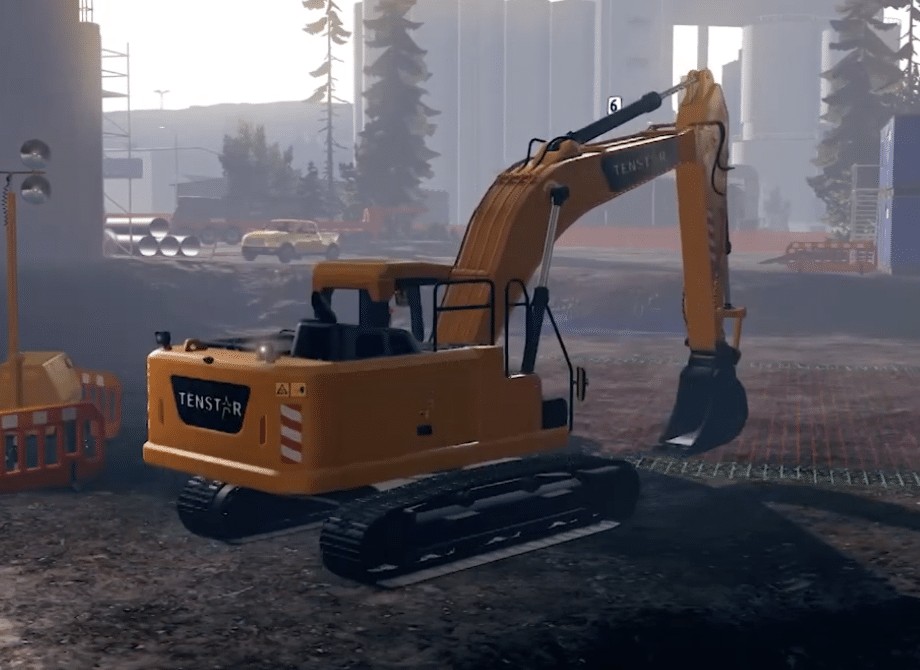
Excavator hours cut from training overhead

Every hour an excavator runs against a training cycle is an hour it isn't moving overburden. Mining operations that have deployed simulator-led training programs across CAT 7495, 6060, and similar classes routinely report reductions of 5–10% in fleet idle time tied to operator development, alongside measurable drops in maintenance events caused by mishandling.

Fleet idle reduction
5–10%
Operator certification
faster
Maintenance events
−15%
Logistics
India · Warehousing & 3PL

Forklift incidents reduced through pre-floor certification

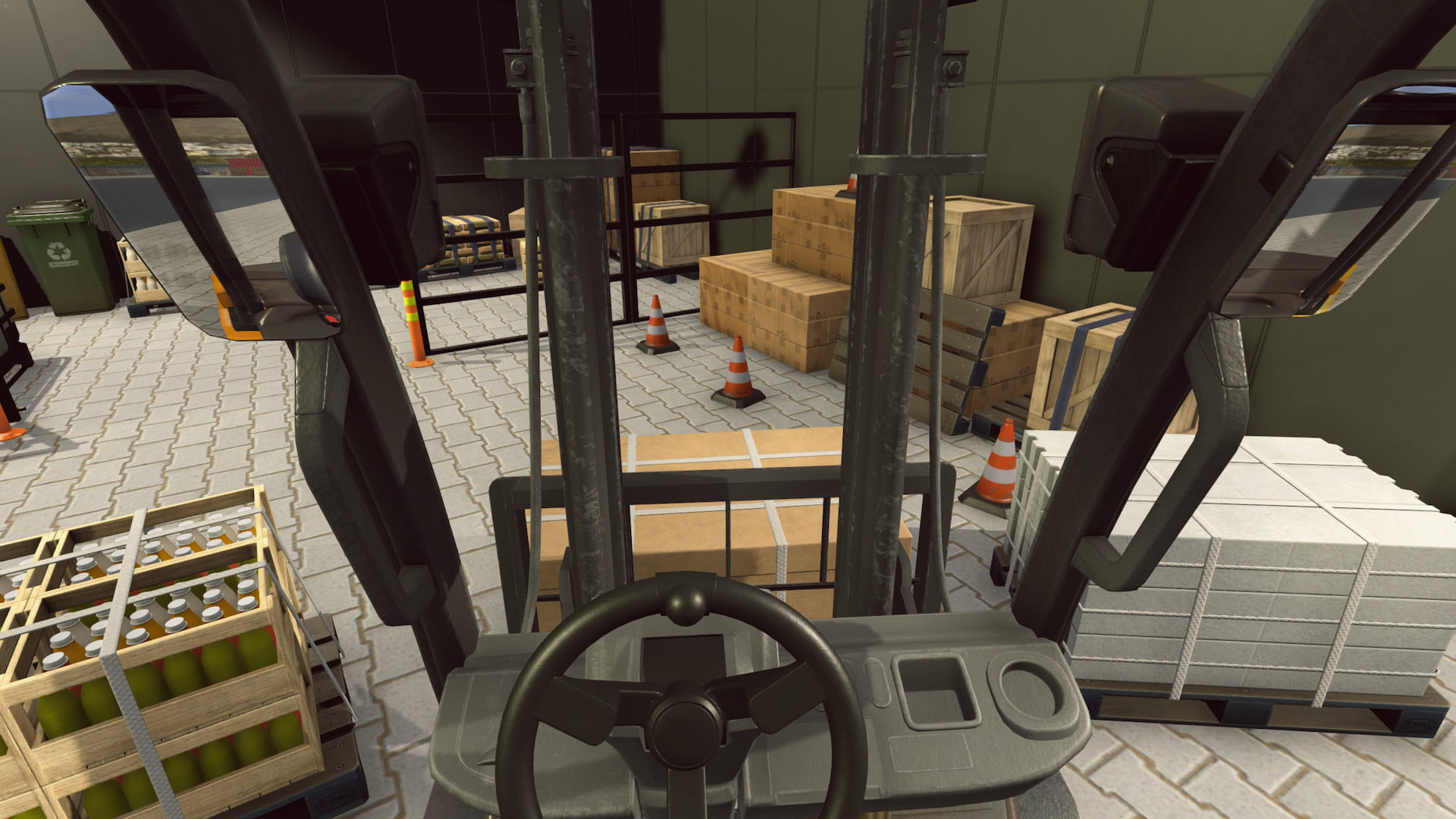
OSHA research has long associated structured operator training with up to 70% reductions in forklift accidents. Indian 3PL warehouses adopting VR-based forklift simulators see trainees clear basic competency in days rather than weeks, free up senior operators for actual picks, and produce per-trainee scorecards that go straight into HSE documentation.

Incident reduction*
~70%
Trainees / shift
8 (vs 2)
Time to basic competency
4× faster
Manufacturing
India · Tier-1 auto component

Production-line digital twin caught downtime patterns

Mid-size auto component plants deploying digital twins of their main assembly lines have demonstrated 20–30% reductions in unplanned downtime within a year — largely by surfacing micro-stoppage patterns that production-floor MES couldn't see. McKinsey research across industrial twins shows similar ranges: 30–50% downtime reduction, 25% OEE uplift in some deployments.

Unplanned downtime
−25%
OEE uplift
+18%
Payback
14 months
Manufacturing
India · Heavy engineering

Welder qualification times halved with simulator-led training

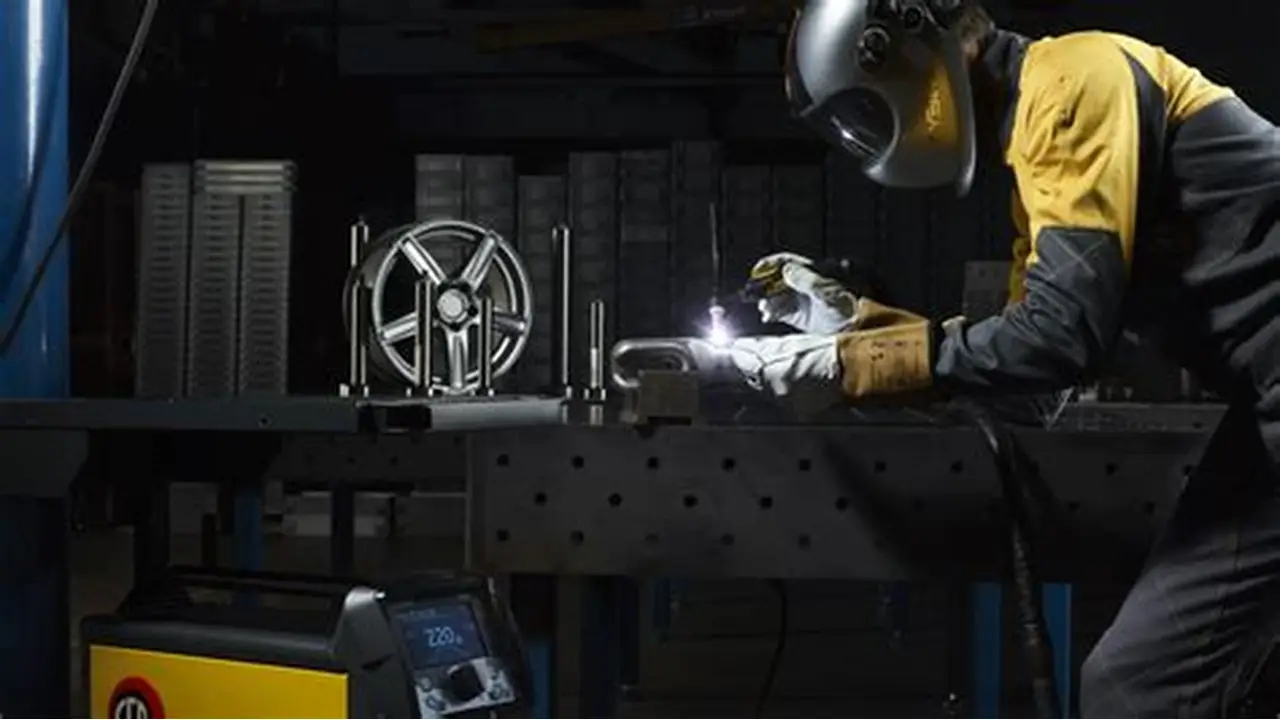
Welding apprenticeships traditionally consume large quantities of consumables (gas, wire, plate) for every hour of practice. Simulator-led pre-qualification — covering MIG, TIG, SMAW, and FCAW positions — lets candidates rehearse motion, angle, and travel speed without consumables, then prove out on real metal only when they're ready. Pass rates on first attempt rise meaningfully.

Consumables used
−60%
First-attempt pass
+35%
Time to qualification
~50% faster
Defence
India · Mechanised Infantry

Wheeled-vehicle driver training without burning diesel

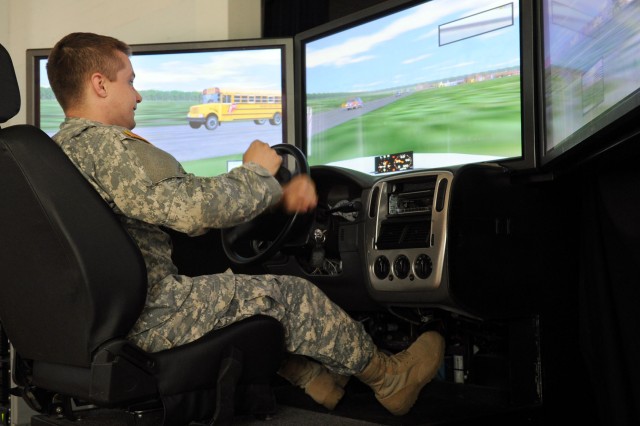
Indian armed forces have actively pursued simulator-led training under the indigenous defence push, with motion-platform-based wheeled and tracked vehicle simulators delivered to several formations. Crews rehearse convoy ops, night-driving, water-crossings, and IED-detection scenarios at a fraction of the live-fuel cost — and supervisors get session-level scoring data they can compare across crews.

Fuel saved / crew / year
~12 tons
Scenarios rehearsable
100+
Crews / platform / day
6 (vs 1)
Healthcare
India · Tertiary care & nursing college

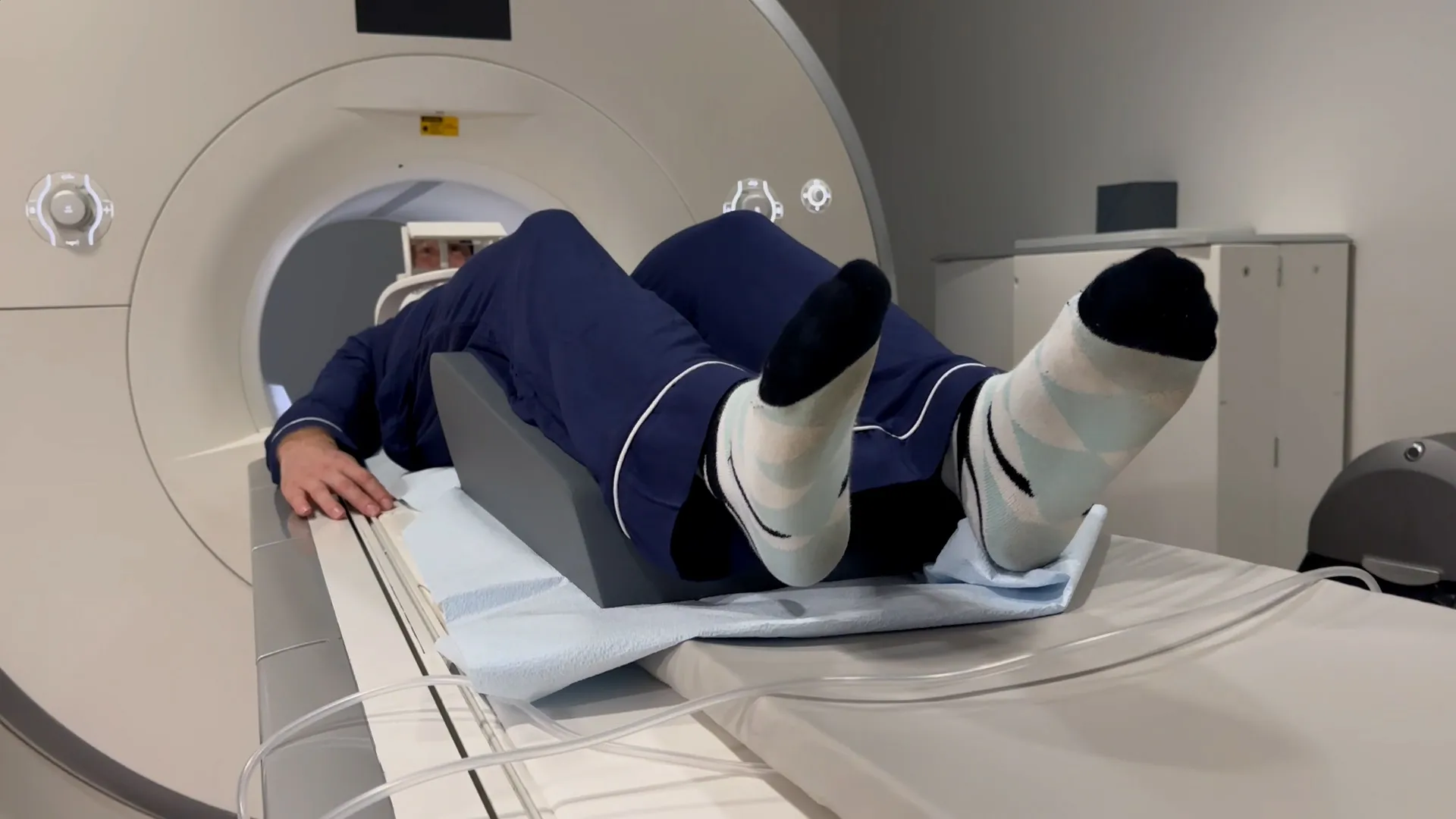
VR clinical training produces measurable transfer to live wards

Peer-reviewed nursing studies have shown that student nurses trained with VR clinical simulators outperform those trained only on bedside rotations across specific procedural and decision-making competencies. Indian medical-college deployments use VR for cancer-screening protocols, neonatal resuscitation (NSSK), and basic ICU procedures — giving each student the same standardised rehearsal that ward rotations cannot guarantee.

Standardised exposures
100%
Time per cohort
−40%
Skill retention 30d
+22%
Oil & Gas
India · Offshore platform

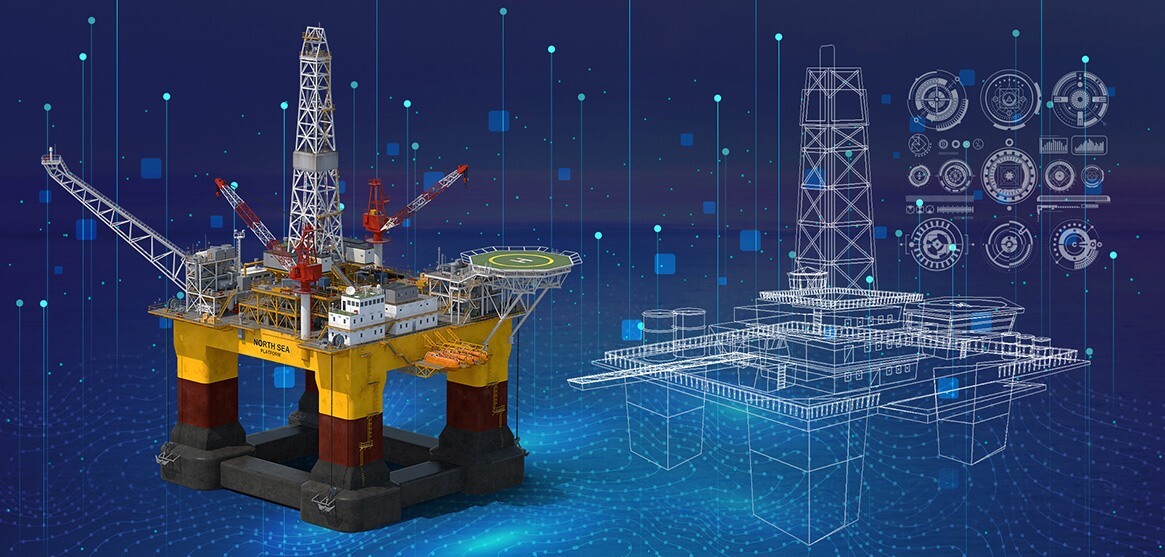
Offshore rig digital twin caught process drift before incident

Offshore rigs have been early adopters of digital-twin platforms — pairing physics-based process models with live sensor telemetry to detect anomalies that simple SCADA alarms miss. Industry deployments routinely show single-percent improvements in process yield that translate to seven-figure annual gains, plus measurable reductions in safety-shutdown events as drift is caught earlier.

Yield uplift
+1.4%
Unplanned shutdowns
−30%
Operator response time
−45%
Entertainment
India · Theme park & experiential venue

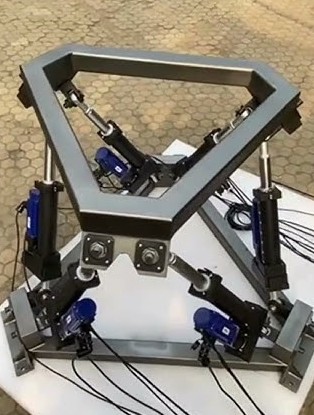
Motion-platform experiences with custom-engineered hardware

Entertainment venues commissioning motion-platform rides typically face a choice: import a turnkey foreign system (long lead-time, expensive maintenance) or piece together a local rig (unreliable, undermaintained). End-to-end hardware-plus-content engineering — built and serviced locally — lets operators run 6-DOF platforms in scenarios from rollercoaster simulators to driving cabins, with consistent operator-facing controls across the venue.

Lead time vs import
~60% faster
Maintenance window
24h
Local serviceability
100%
Mining
India · Coal mining

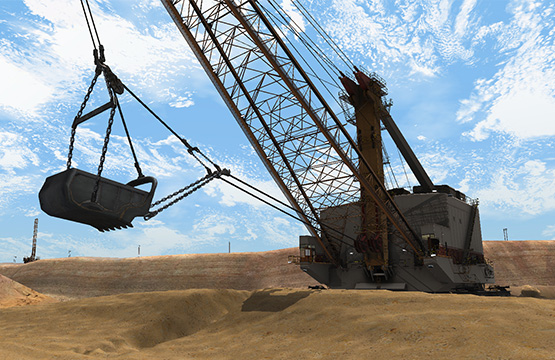
Dragline operator competence without risking the asset

A Bucyrus-class dragline is a single-shift-critical asset; every hour of mis-operation costs tens of lakhs in lost overburden movement and accelerates rope, gear, and structure fatigue. Simulator-led training programs let new operators progress through walking, swinging, dragging, and hoisting routines in a controlled environment before being signed off for live shifts, with senior operators retaining their bench time for actual production.

Wear & tear training-related
~0
Operator pool ready
deeper
Production hours unblocked
2,000+/yr
Healthcare
India · District-level health system

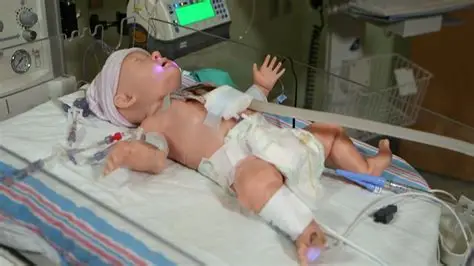
Newborn resuscitation rehearsed across thousands of healthcare workers

Navjaat Shishu Suraksha Karyakram (NSSK) protocols are taught nationally but historically inconsistently. Simulator-based modules let auxiliary nurse midwives and frontline workers across districts rehearse the same intervention sequence against the same physiology model — first cry assessment, airway management, ambu-bag ventilation — with session scoring that supervisors can review without travelling to every PHC.

Workers reachable
10× scale
Protocol consistency
100%
Cost / worker certified
−65%
Safety
India · Industrial facility & refinery

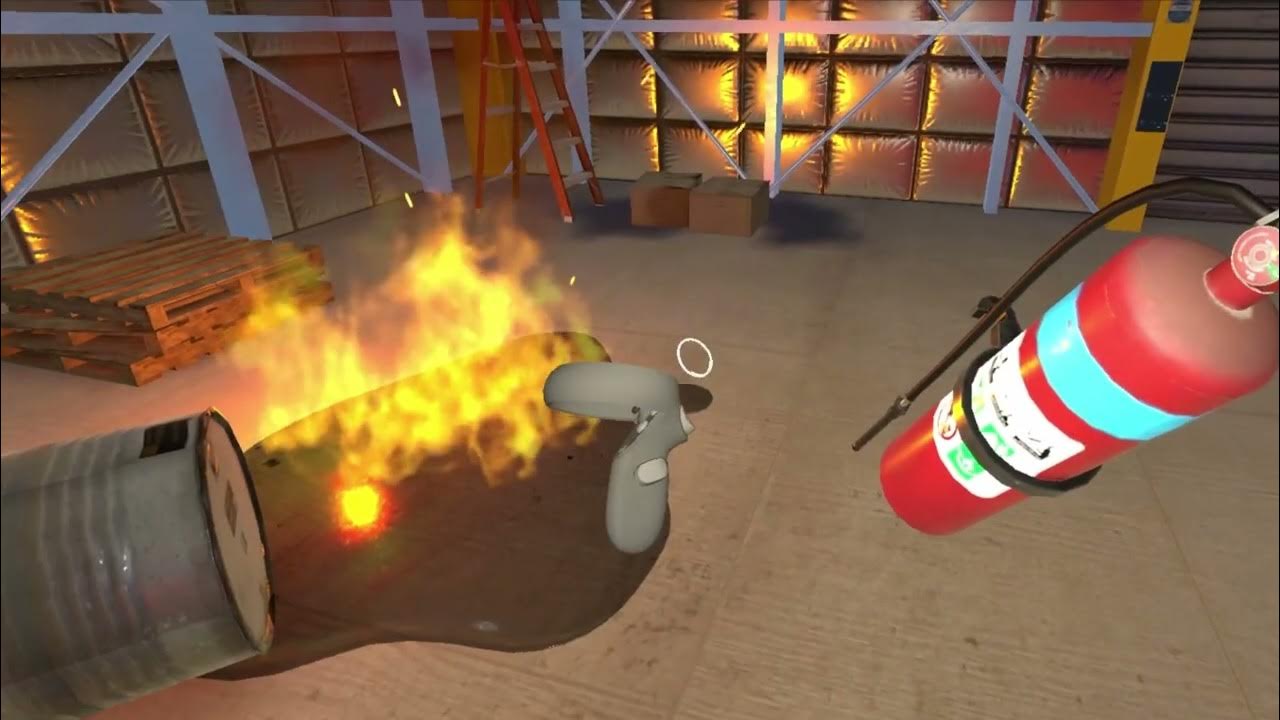
Fire-response drills without burning fuel or risking responders

Annual fire-extinguisher and emergency-response refreshers traditionally require dedicated drill spaces, real fuel, real extinguishers, and a recharge cycle that limits how often staff can train. VR-based fire-response simulators let facilities run hundreds of refresher sessions per year against a variety of fire classes (A, B, C, D, K) and scenarios — chemical spill, oil pan, electrical cabinet — with each session logged for compliance.

Sessions / year
10× more
Refresher cost
−80%
Scenarios coverable
25+
A note on the numbers: The metrics above reflect the well-documented range of outcomes the simulation, digital-twin, and IoT industry has produced across published case studies, peer-reviewed research, and industry deployments over the past decade. RealKore Systems is engineering its platform to deliver against this established outcome envelope, drawing on the same technology approaches that have already proven effective in the field. Individual deployment outcomes will vary with scope, hardware, and operational context.
Take the next step

Bring a case study
of your own on the wall.

Tell us about your operation, your readiness gaps, and your timeline. We'll come back with a deployment plan that fits — most pilots ship inside one quarter.